


What is PCC1 (Procyanidin C1)?
Powerful Natural Composition
PCC1 is a natural polyphenol from the procyanidin family and is most potently found in grape seeds, but is also found in other plants (apples, cinnamon, pine bark). The latest research suggests that PCC1 is the most potent natural senolytic known to science.
Targeted Clearance of Senescent Cells
PCC1 selectively eliminates senescent cells (toxic aged cells that accumulate in the body), promoting healthy aging and cellular rejuvenation.
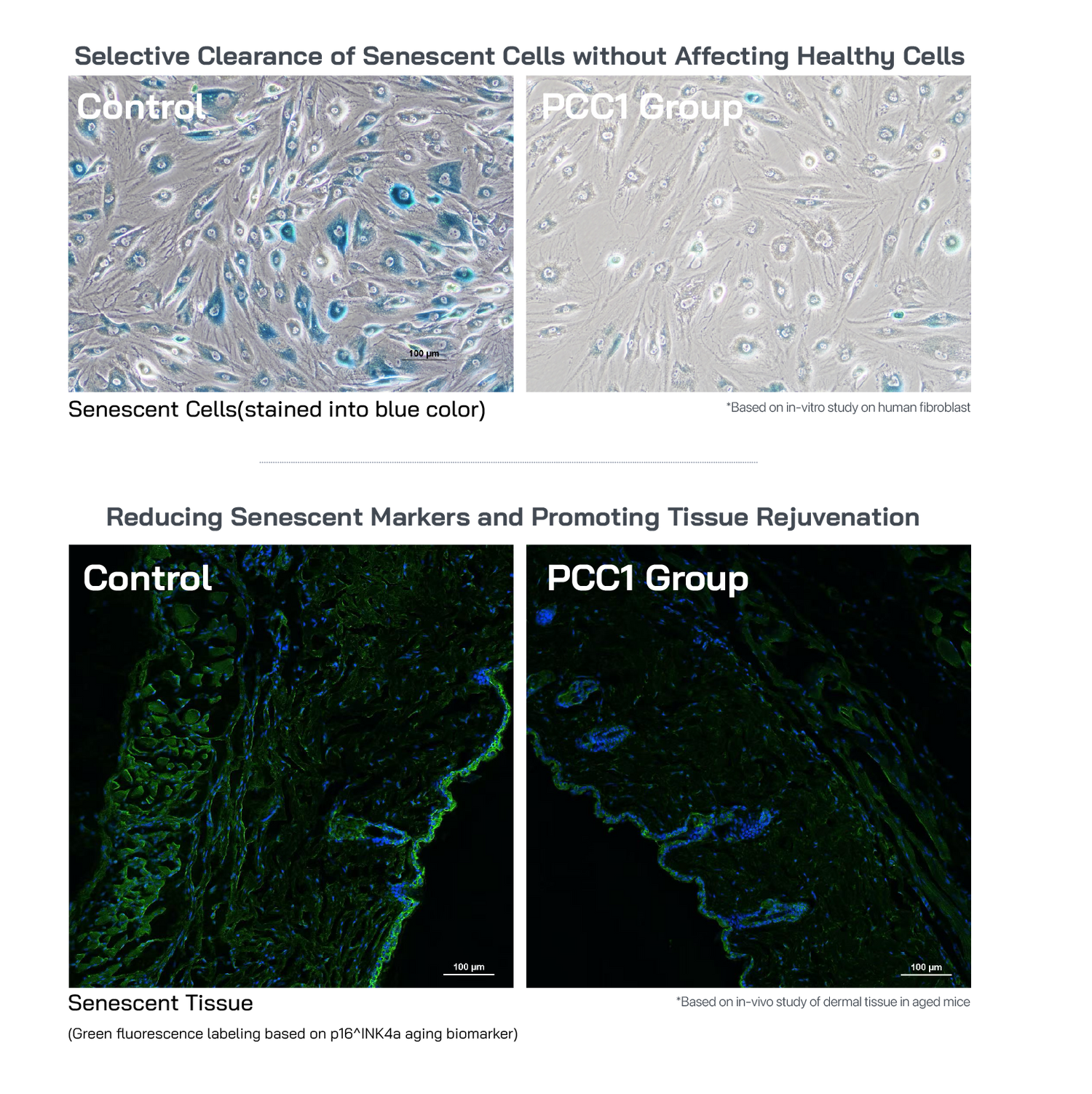
PCC1 Supports Healthy Cells, Targets Senescent Ones
PCC1 has been shown in preclinical models to help clear aged cells while protecting and promoting healthy cells. Lab and animal studies have shown that PCC1 supports skin rejuvenation, as well as tissue renewal in various organs (eye, kidney, lung).
What are Senescent Cells?
Senescent cells originate from normal healthy cells, but enter a metabolic arrest phase (G1 phase) where they neither proliferate nor die. Once they become senescent, they attack surrounding healthy cells, causing the surrounding cells to also become senescent. Due to this characteristic, they are often referred to as “Zombie Cells” or "Toxic Cells".
What are the Factors That Trigger or Promote Cellular Senescence?
Cellular senescence can be triggered by various stressors, including DNA damage, metabolic stress, chronic inflammation, and tissue injury.
- DNA damage caused by radiation or replication errors activates cellular checkpoint pathways that halt cell division.
- Metabolic stress, often resulting from mitochondrial dysfunction or nutrient imbalance, disrupts normal cellular functions also promotes cellular senescence.
- Chronic inflammation, driven by persistent harmful stimuli, creates a pro-senescent environment through inflammatory cytokines and oxidative stress.
- Tissue damage—whether mechanical or chemical—can induce senescence as a protective mechanism to prevent the proliferation of potentially compromised cells.
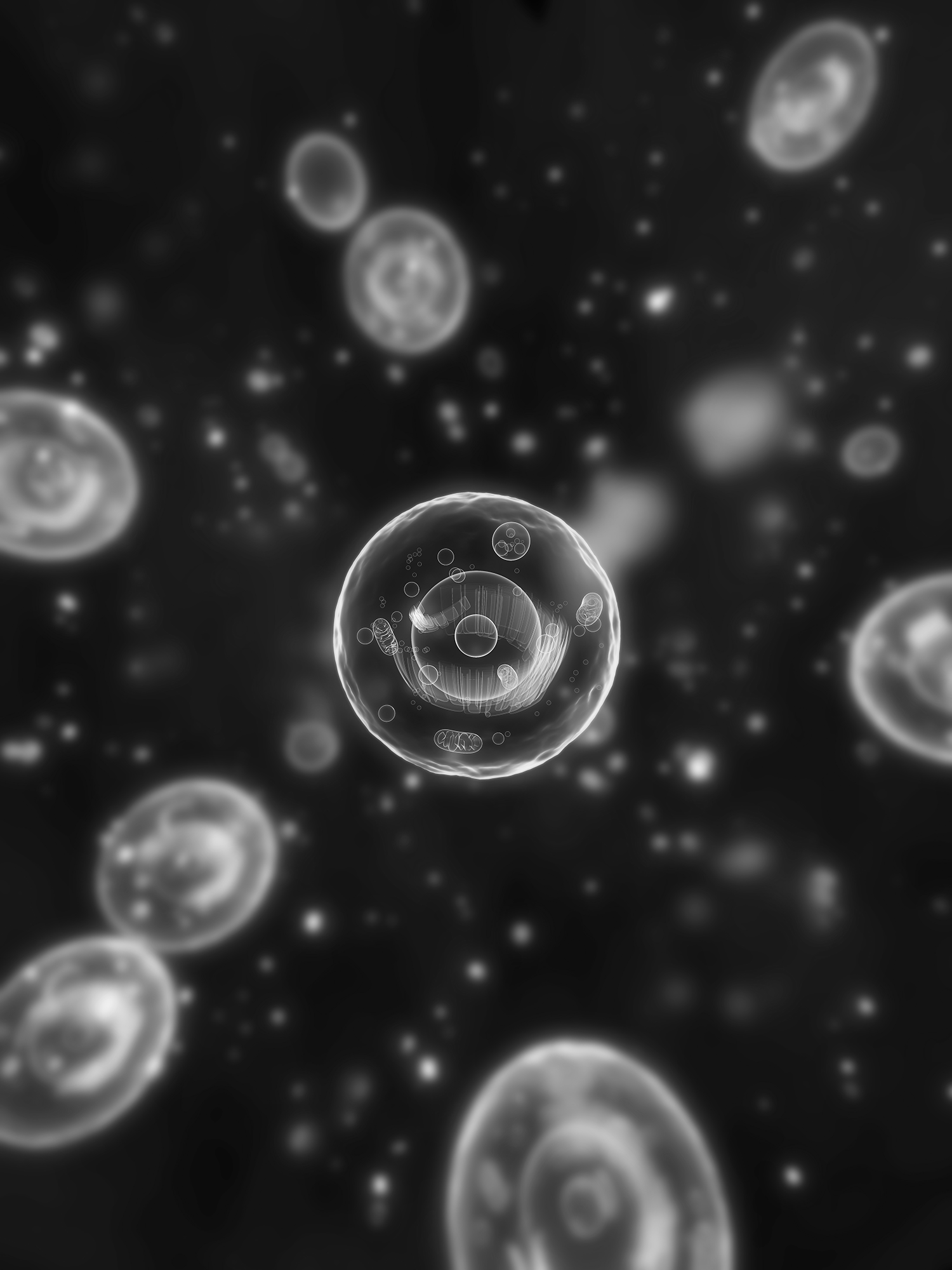
Do Senescent Cells Affect Healthy Cells?
Senescent cells continuously secrete senescence—associated secretory phenotype (SASP) factors and inflammatory signals such as reactive oxygen species (ROS), which induce senescence in surrounding cells. This process amplifies the spread of senescent cells, leading to a bystander effect.
Do Senescent Cells Naturally Undergo Apoptosis?
Protected by senescence—associated anti—apoptotic pathways (SCAPs),senescent cells evade natural cell death. Due to their SASP secretions, they persist in biological environments, avoiding clearance by the immune system.